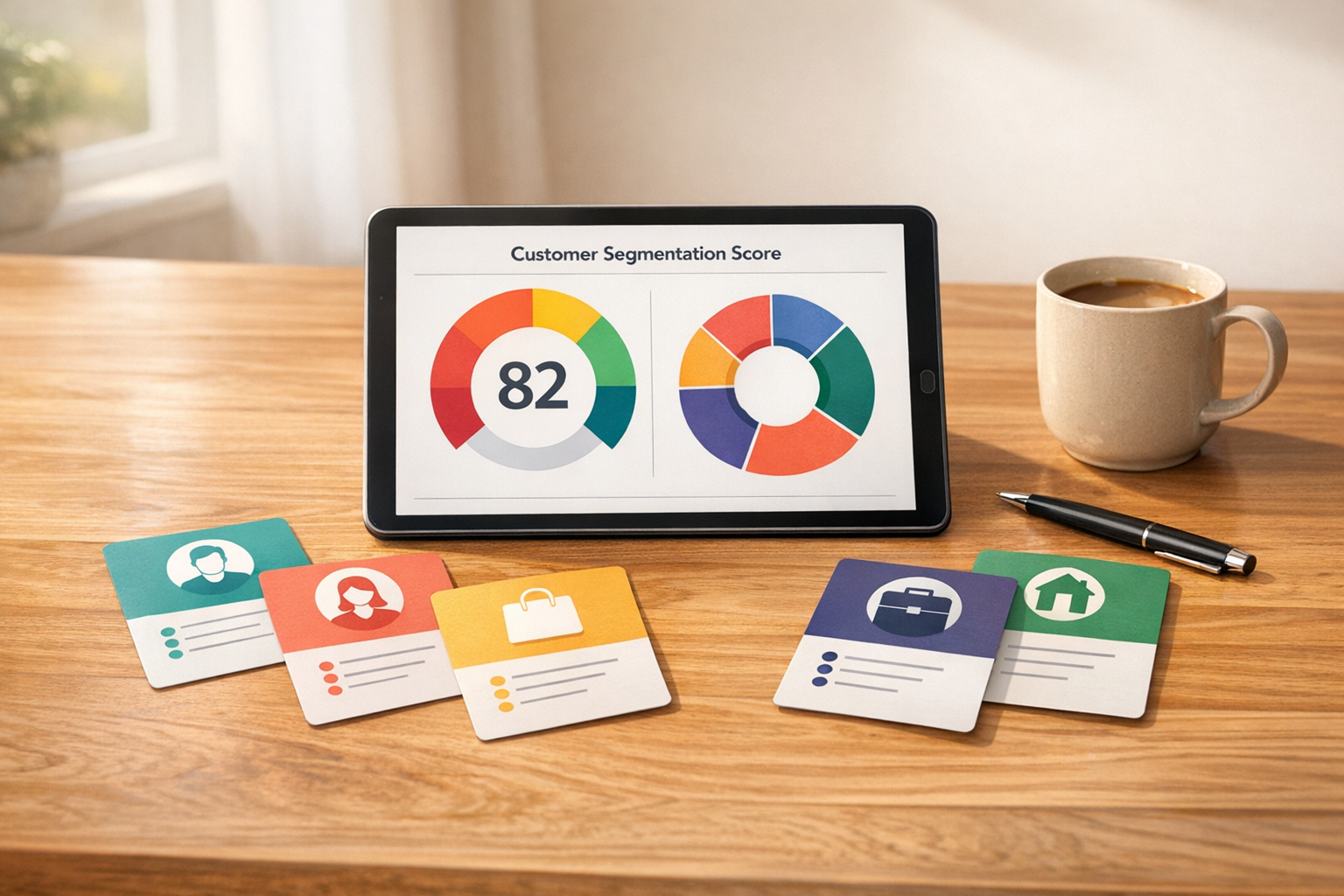
Customer Segmentation Score Checker
Unlock Better Marketing with Customer Segmentation Analysis
In today’s competitive landscape, knowing your audience isn’t just nice to have—it’s essential. Many businesses struggle to group their customers effectively, missing out on tailored campaigns that drive results. That’s where evaluating your approach to dividing your audience comes in. By assessing how you categorize your market, you can pinpoint strengths and weaknesses in your strategy.
Why It Matters for Growth
When you break down your customer base into meaningful groups, you’re not just organizing data; you’re setting the stage for personalized experiences that resonate. A thoughtful approach to this process helps you allocate resources smarter, whether it’s targeting high-value clients or re-engaging lapsed ones. Tools that measure your effectiveness in this area offer a quick reality check. They show you if your data points are robust enough or if your updates are keeping pace with market shifts. For small businesses especially, this kind of insight can be a game-changer, turning broad guesses into precise actions. Take a moment to analyze where you stand—it’s a small step that can lead to big wins in customer loyalty and revenue growth.
FAQs
Why is customer segmentation important for my business?
Segmentation lets you group customers based on shared traits, like age or buying habits, so you can tailor your messaging. Without it, you’re just guessing what people want, which wastes time and money. By dividing your audience into clear groups, you can craft campaigns that hit home and build stronger connections.
What’s a good score for customer segmentation?
A score above 75 means you’re doing great—your segments are detailed and well-maintained. Between 50 and 75? You’ve got a solid foundation, but there’s room to refine. Below 50 suggests you need to dig deeper into data or update your approach more often. Our tool gives specific feedback to help you improve.
How often should I update my customer segments?
It depends on your industry, but weekly updates are ideal if your customer base shifts fast, like in e-commerce. For slower-moving sectors, monthly or quarterly reviews might work. The key is to stay on top of changes in behavior or trends—stale data leads to missed opportunities.